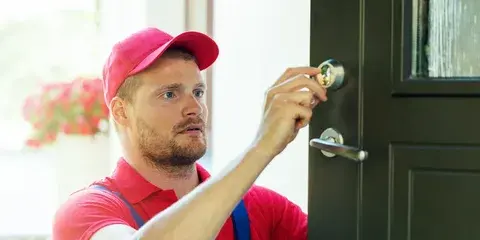
An Expert Look at Residential Lockout Techniques


Getting locked out of a home can create pressure to solve the problem quickly, but the first available method is not always the safest one. A residential lock has several working parts that can be damaged by improper tools or excessive force. A qualified locksmith assesses the lock, door, and surrounding hardware before choosing an entry method. For homeowners who need a House Lockout Service in Knoxville, TN, knowing how professional entry techniques work can make it easier to recognize a careful approach when help arrives.
What Happens Before the Lock Is Touched
A residential lockout usually begins with an assessment rather than immediate drilling or prying. The locksmith needs to determine what type of lock is installed, whether the door is merely closed or actually deadbolted, and whether a key may have been left inside.
The condition of the door matters as well. A swollen wood door can behave differently from a steel security door, particularly when the frame has shifted. The locksmith may inspect the strike plate, hinges, lock cylinder, and visible gaps around the door before selecting a technique.
The goal is controlled entry. A method that works well on a basic pin-tumbler lock may be inappropriate for a high-security cylinder or an electronic deadbolt.
Picking: Controlled Work Inside the Cylinder
Lock picking is one of the best-known residential entry techniques, but it requires more precision than its portrayal in movies suggests. A locksmith uses specialized picks to manipulate the internal pins or other components until the cylinder reaches an unlocked position.
Traditional pin-tumbler cylinders contain driver pins and key pins arranged within the plug and shell. The correct key aligns these components at the shear line. Picking attempts to create the same alignment without the original key.
This technique can be useful when the cylinder is in good condition and access is needed without replacing the lock. It requires a compatible lock design and a technician who can work without damaging the internal mechanism.
Some cylinders include security pins that make manipulation more difficult. In those cases, a different entry method may be more appropriate.
Bypass Methods for Certain Door Hardware
Some lockouts can be resolved without manipulating the locking cylinder at all. Bypass techniques take advantage of specific door hardware or mechanical features that may permit controlled access.
A common example involves certain interior doors where a privacy lock has an emergency release feature. Other situations may involve accessible hardware that can be operated without damaging the lock itself.
Bypass entry depends heavily on the door's construction and the type of hardware installed. A technique suitable for a simple interior privacy lock should not be assumed to work on an exterior deadbolt.
Professionals also have to consider whether the bypass could affect the door's alignment or hardware. Entry is only part of the job. The lock and door should remain functional afterward.
Decoding and Key-Related Entry
A lockout does not always mean that the lock itself has failed. A misplaced key, damaged key, or worn keyway can create the same immediate problem.
Locksmiths may use decoding techniques on compatible cylinders to determine the mechanical configuration of a lock. This can help with key creation or replacement in situations where the original key is unavailable.
The approach varies according to the lock design. Standard residential cylinders can differ significantly from restricted or high-security systems. Electronic locks introduce another set of considerations, including battery condition, keypad operation, and mechanical override features.
For homeowners dealing with a lost key, residential locksmith service Knoxville, TN may involve more than opening the door. If there is a genuine concern that an unauthorized person could possess the missing key, rekeying or replacing the cylinder may be appropriate after entry.
When Drilling Becomes Necessary
Destructive entry is generally considered after non-destructive techniques have been ruled out or when the lock is already damaged beyond practical recovery.
Drilling a cylinder destroys the lock and normally requires replacement. The locksmith must position the drill accurately to avoid unnecessary damage to the door, escutcheon, or surrounding hardware.
A failed lock cylinder can justify this approach. So can certain high-security systems that resist conventional manipulation. The exact procedure depends on the lock's construction.
A professional assessment should come before destructive entry whenever circumstances allow. For a homeowner, that distinction matters because replacing a cylinder is usually preferable to repairing a damaged door or frame.
Why Technique Changes With the Lock
There is no universal residential lockout method. A technician working with home lockout assistance Knoxville, TN may encounter a basic deadbolt at one property and a reinforced entry door with a high-security cylinder at another.
Age also affects the decision. Older locks can have worn pins, corroded components, or weakened internal springs. A technique that would normally cause no issue may behave differently when hardware has deteriorated.
The condition of the door is another variable. If a door is sagging against the frame, forcing the latch can cause unnecessary strain. In some cases, correcting the mechanical issue is safer than applying more force to the lock.
For these reasons, experienced locksmiths select the least invasive practical method rather than applying one procedure to every lockout.
The Role of Professional Tools
Residential locksmiths use specialized tools designed for specific lock types. Picks, tension tools, bypass equipment, key-cutting equipment, decoding tools, and electronic diagnostic devices each serve different purposes.
Tool selection matters because improvised methods can damage finishes and hardware. A screwdriver forced into a keyway, for example, can deform the cylinder and turn a simple lockout into a lock replacement.
House lockout help Knoxville, TN can also involve identifying whether the problem is actually the lock. A broken latch, failed actuator, shifted strike plate, or damaged key may be responsible for a door that will not open.
A Local Service Built Around Careful Entry
Knoxmith Lock & Key handles residential lockout situations with the type of assessment that should precede any entry attempt. The appropriate technique depends on the lock, door construction, hardware condition, and circumstances surrounding the lockout.
Homeowners can help by providing useful information when requesting service, such as whether the door has a deadbolt, whether a key is stuck inside the cylinder, and whether the lock has shown problems before the lockout occurred. Those details can help a locksmith arrive prepared for the likely hardware.
Choosing the Right Next Step
A lockout becomes more complicated when someone attempts several improvised entry methods before professional assistance arrives. Bent tools, damaged cylinders, scratched hardware, and distorted door frames can increase the eventual repair.
A locksmith should be asked to assess the entry point and explain the proposed method before work begins. If the lock must be drilled or replaced, the reason should be clear.
For a homeowner who cannot enter a property, the practical next step is to arrange a professional residential lockout assessment and provide accurate details about the door and lock. That allows the technician to determine whether non-destructive entry is feasible.
Keeping Future Lockouts From Becoming Emergencies
A few changes can reduce the likelihood of another lockout. A spare key stored with a trusted person can help in ordinary situations, while a properly maintained keypad or smart lock can provide an alternative entry method.
Mechanical keys should also be replaced when they become visibly worn or difficult to turn. Repeated resistance can indicate a developing lock problem rather than simple inconvenience.
For households with children, elderly residents, rental properties, or multiple occupants, a documented backup entry plan can be particularly useful. It should identify who can provide access and where emergency information is kept.
Questions Homeowners Commonly Ask
Can a locksmith open every residential lock without damage?
No. Some locks can be opened non-destructively, while damaged, severely worn, or certain high-security cylinders may require destructive entry or replacement.
Does a lockout always mean the lock needs replacement?
No. If the lock remains mechanically sound, professional entry may leave it fully usable. Replacement becomes more relevant when the cylinder is damaged, compromised, or unsuitable for the property's security needs.
Can a locksmith make a new key after entering a locked home?
In many cases, yes. The available method depends on the lock type and its condition. Some locks can be decoded or rekeyed, while others require a replacement cylinder.
What happens if the key broke inside the lock?
The locksmith can assess whether the broken portion can be extracted without damaging the cylinder. If extraction is successful and the lock remains functional, replacement may not be necessary.
Are electronic residential locks handled differently?
Yes. Electronic locks may require checks of battery power, keypad function, mechanical overrides, or the manufacturer's specific entry procedures. The presence of electronics changes the diagnostic process.
Can a homeowner provide proof of residence during a lockout?
A locksmith may request identification or other evidence connecting the person requesting entry with the property. Requirements can vary according to the circumstances and service provider.